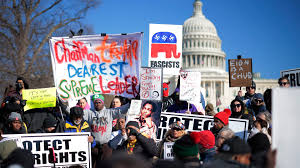
Protest Signs 2025: The Visual Voice of Modern Movements

Understanding the Power Behind Protest Signs 2025

In 2025, protest signs have evolved far beyond cardboard and markers—they’ve become a global symbol of digital-age activism, cultural expression, and political identity. When we talk about “protest signs 2025,” we’re not just referring to slogans on sticks; we’re talking about powerful visual tools that shape public opinion, go viral online, and often define entire movements.

Whether it’s the fight for climate justice, human rights, or economic reform, protest signs remain the simplest yet most impactful way for people to make their voices seen as well as heard. From the streets of Washington D.C. to the avenues of Berlin, from university campuses to virtual rallies, the art and message of protest signs continue to adapt to new media, technologies, and generations.

In this comprehensive article, we’ll explore:

  • The evolution and history of protest signs.
  • The top trends shaping protest signs in 2025.
  • How activists use design, humor, and technology to amplify their voices.
  • Practical tips for creating your own impactful and safe signs.
  • And what the future of activism looks like in an era of AI, digital media, and mass mobilization.

By the end, you’ll understand why protest signs 2025 represent more than slogans—they’re the heartbeat of democracy and collective expression.

What Are Protest Signs? A Quick Definition & History

protest signs 2025

What Are Protest Signs?

A protest sign is more than just a physical object — it’s a visual declaration of belief, a message condensed into a few words and displayed publicly to express dissent, demand change, or show solidarity. In 2025, protest signs come in many forms:

  • Traditional signs – made of cardboard, poster board, or cloth with handwritten or printed slogans.
  • Digital protest signs – displayed on LED screens, projections, or even mobile devices during rallies.
  • Virtual signs – used in online protests, social media campaigns, or digital avatars during virtual marches.

At their core, protest signs are communication tools — simple yet effective mediums that turn individual opinions into collective visibility. They transform the abstract (“freedom,” “justice,” “rights”) into something tangible, portable, and memorable.

As media scholar Stephen Duncombe once said, “Protest is performance, and protest signs are its props.” They give movements identity, coherence, and visibility — qualities that are essential in today’s image-driven society.


A Brief History of Protest Signs

The use of protest signs dates back centuries, evolving alongside the history of human expression and social change. Let’s trace their remarkable journey:

1. Early Beginnings

The earliest versions of protest signs can be traced to medieval Europe, where peasants and workers carried banners during uprisings, demanding fair wages or protesting feudal lords. Similarly, ancient civilizations used symbolic imagery on flags and carvings to voice rebellion or allegiance.

2. The Industrial and Political Age

By the 19th century, with the rise of industrial labor movements, the protest sign became an organized tool. Workers printed strike placards demanding better working conditions or shorter hours. These signs were often hand-painted on wood or cloth — a reflection of the laborers’ craftsmanship and determination.

3. The Civil Rights Era

In the 1950s and 60s, protest signs became the hallmark of social change. During the Civil Rights Movement, placards reading “I Am a Man” or “End Segregation Now” became cultural icons. These messages were concise, morally powerful, and strategically designed for photography and media coverage.

4. The Digital Revolution

The 2000s brought social media — and with it, the viral protest sign. Movements like Occupy Wall Street and Black Lives Matter showed how signs could live both offline and online, shared instantly across millions of screens. Activists began designing signs not just for visibility in marches but also for shareability on Instagram, Twitter (now X), and TikTok.

5. Protest Signs in 2025

Today, in 2025, protest signs combine traditional artistry with digital innovation. Many feature QR codes that link to petitions, AI-generated art, or AR (Augmented Reality) layers that reveal interactive messages when viewed through a smartphone. They are now an intersection of design, politics, and technology, capable of spreading awareness faster than ever.


Why This History Matters

Understanding the evolution of protest signs gives insight into why they remain indispensable in 2025. Even in a hyper-digital world, the power of a handwritten message held in a crowd hasn’t diminished — it’s amplified. The image of a sign in a protest is not just documentation; it’s symbolic evidence of democracy in motion.

From “Votes for Women” to “No Kings”, from “Make Love, Not War” to “Save the Planet”, protest signs have defined eras, inspired laws, and shaped history. And in 2025, they continue to do the same — only with more creativity, connectivity, and consciousness than ever before.

What’s New in Protest Signs 2025: Trends & Styles

In 2025, protest signs have entered a new era — one that merges creativity, technology, sustainability, and sharp political wit. Today’s activists are not just holding messages; they are crafting multimedia experiences that blend art, design, and social consciousness.

Below, we’ll explore the key visual trends, slogan styles, and technological integrations defining the new age of protest signs 2025.


Visual Trends in Protest Signs 2025

protest signs 2025

1. Minimalist Design with Bold Typography

Gone are the days of overcrowded posters. The most powerful protest signs in 2025 use minimal words, high contrast colors, and bold fonts to make their point instantly readable — both on the street and online.

  • Color Schemes: Black-and-white for simplicity, neon for attention, and earth tones for environmental causes.
  • Fonts: Thick, sans-serif fonts like Impact or Helvetica Bold dominate, ensuring visibility even from a distance.
  • Visual Simplicity: Empty space is used strategically to highlight the message — one strong word can carry the emotional weight of an entire speech.

A famous design trend report from Design Observer (2025) notes:

“The new activist aesthetic is minimalist — fewer words, bigger impact. It’s clarity, not clutter, that moves people now.”

2. The Rise of Iconography

Icons — fists, hearts, flames, planets, equality symbols — are now integrated with text to enhance instant recognition. In protests where hundreds of signs compete for attention, these universal icons transcend language barriers and help create a visual identity for movements.

3. Recycled and Sustainable Materials

Eco-consciousness is central to protest signs 2025. Many activists see environmental awareness as part of the protest itself, using:

  • Recycled cardboard and paper.
  • Biodegradable inks and paints.
  • Upcycled fabrics for banners.
    Even digital displays are being recharged using portable solar panels, symbolizing both message and method working toward sustainability.

4. Personalization and Handmade Feel

Despite digital tools, people value authenticity. Handwritten or painted signs still dominate major movements. The imperfections of handwriting — smudges, drips, uneven letters — remind viewers of humanity in an increasingly automated world. In fact, studies show that handmade signs often receive more social media engagement because they feel real, personal, and emotionally raw.


Slogan and Messaging Trends

In 2025, slogans are designed for impact and virality. The best signs make you stop, laugh, think, and share — often within seconds. Here are some major trends:

1. Short, Memorable Phrases

Modern signs rely on brevity — slogans under 8 words perform best online. Some of the most viral slogans in 2025 include:

  • No Kings. No Masters.
  • Hands Off!
  • Let Them Eat Teslas.
  • The Wrong Ice Is Melting.

Each combines satire, clarity, and emotional charge, making them perfect for photos, memes, and tweets.

2. Humor and Irony

Humor continues to play a major role in activism. Satirical messages not only lighten the mood but also undermine the opposition through ridicule — a powerful rhetorical tool.
Example: A sign reading “I Can’t Believe We Still Have to Protest This” has become a recurring classic across movements worldwide.

3. Pop Culture and Meme References

Protesters now use pop culture as a shared language. References to shows, movies, and internet memes create instant connection. In climate marches, for instance, signs like “Winter Is Not Coming” or “This Is Fine (Fire Edition)” use humor to communicate urgency.

4. Intersectional Messaging

Modern protests often merge causes — linking gender equality, climate action, and labor rights. Signs now carry inclusive slogans, often using pronouns, diverse imagery, and multilingual text to reflect global solidarity.


Technological Integration in Protest Signs 2025

Perhaps the most revolutionary aspect of protest signs 2025 is how technology is reshaping activism.

1. Augmented Reality (AR) Protest Signs

Using AR-enabled apps, protesters can create interactive signs that reveal animations, stats, or videos when scanned. Imagine pointing your phone at a sign reading “No Planet B” and seeing live data on global CO₂ levels or forest loss.

This integration of data visualization with activism is changing how people engage with causes — turning simple signs into portable information hubs.

2. QR Codes and Links

QR codes have become standard. They lead viewers directly to:

  • Donation pages
  • Petitions
  • Event schedules
  • Movement websites

This bridges the gap between awareness and action, enabling real-time participation.

3. Digital and LED Signs

Some activists now carry small LED panels that scroll messages like “Stop AI Surveillance” or “Justice Now”. These are especially visible at night protests, ensuring visibility even after dark.

4. AI-Generated Artwork

AI design tools are helping protesters generate visuals quickly. AI-assisted design platforms like Canva AI or DALL·E allow anyone to create powerful imagery without design training — democratizing visual activism.


A Quick Look: Top Trends in Protest Signs 2025

Trend TypeDescriptionExample
Minimalist DesignFewer words, clean layout“No Kings.”
SustainabilityEco-friendly materialsRecycled cardboard signs
Tech IntegrationAR, QR codes, LED boards“Scan for Justice”
Humor & IronyWitty social critique“Let Them Eat Teslas”
Pop CultureMeme-based messaging“Winter Is Not Coming”
IntersectionalityMultiple causes unified“Climate Justice = Human Justice”

In summary, protest signs in 2025 represent the fusion of art, technology, and activism. They’re not just expressions of anger or hope—they are strategic communication tools designed to educate, entertain, and empower.

The evolution from cardboard to code has made today’s protest signs more interactive, creative, and impactful than ever before.

The Evolution of Protest Signs: From Handwritten Boards to Digital Displays

protest signs 2025

The art of protest has always been deeply tied to visual communication, and in 2025, this is truer than ever. Protesters across the globe are using creative protest signs not just as tools of resistance but as symbols of identity, awareness, and digital virality. From climate marches in New York to human rights demonstrations in London, protest signs in 2025 have evolved into powerful mediums that blend creativity, technology, and activism.

In this section, we’ll explore how protest signs have transformed over the years, what drives these changes, and what makes the signs of 2025 stand out in the digital age.


A Brief History of Protest Signs

The earliest recorded protest signs date back to the 18th century, when revolutionaries and activists began using placards, banners, and pamphlets to express dissent. Over time, these signs became emblems of social movements, each era defining its visual style:

EraNotable MovementsCommon Sign MaterialsPopular Slogans
1800sWorkers’ Rights, SuffrageWood, Canvas“Votes for Women”
1960s–70sCivil Rights, Anti-WarCardboard, Paint“Make Love, Not War”
1990sEnvironmentalism, GlobalizationRecycled Paper“Save the Earth”
2020sClimate Action, Social JusticeDigital, LED, AR“No Planet B”

By 2025, protest signs have not only evolved in material and design but also in medium and reach. What once existed solely on the streets now dominates social media feeds — every sign has the potential to go viral within minutes.


Why Protest Signs Still Matter in 2025

Despite digital activism rising through hashtags and online petitions, physical protest signs continue to hold emotional and symbolic power. Why? Because they embody presence, courage, and authenticity. A handwritten sign held up in the rain conveys far more sincerity than a retweet ever could.

Here’s why protest signs in 2025 remain crucial:

  1. Tangible Representation of Voices: Holding a sign makes the act of protest physical and visible. It shows commitment.
  2. Viral Visuals: Protest signs are made for the camera — one clever message can circulate globally within hours.
  3. Cultural Markers: Memorable slogans become part of history, like “Black Lives Matter” or “Women’s Rights Are Human Rights.”
  4. Creative Resistance: Art has always been central to activism, and signs allow for personal artistic expression that amplifies emotion.
  5. Collective Identity: Seeing hundreds of matching or thematic signs creates unity and strengthens a movement’s brand.

In short, protest signs in 2025 are not just about words — they are performance, design, and data-driven expression rolled into one.


Trends Shaping Protest Signs in 2025

With technology advancing and global issues intensifying, the trends in protest signage have shifted significantly. Here are the defining characteristics of protest signs in 2025:

1. Digital and LED Signs

Many modern protesters now carry LED-based signs that display changing messages or scrolling text. These are powered by small rechargeable batteries or solar panels. Digital signs allow for:

  • Dynamic messaging (e.g., alternating slogans or QR codes).
  • Real-time updates, like changing from “Peace Now” to “Ceasefire Achieved!” instantly.
  • Increased visibility during night marches.

2. Eco-Friendly and Sustainable Materials

With climate concerns high on the agenda, most signs in 2025 are made from biodegradable or recycled materials, such as:

  • Plant-based inks
  • Compostable boards
  • Reused packaging
    This eco-consciousness aligns with the very causes protesters often fight for.

3. Augmented Reality (AR) Protest Signs

The fusion of tech and activism has led to AR protest experiences, where scanning a sign with a smartphone reveals animated visuals, 3D slogans, or educational pop-ups.
For instance, at a climate rally, scanning a sign might show virtual forests burning or glaciers melting — a powerful emotional trigger for viewers.

4. Meme and Pop Culture References

Protesters in 2025 often use humor and internet culture to gain traction. A witty sign referencing a current meme or political joke can skyrocket across social platforms.
Example:

“Even My Dog Understands Consent — What’s Your Excuse?”

5. QR Codes and Links

To make protests more interactive and educational, signs now frequently include QR codes linking to petitions, resources, or donation pages. This allows the activism to extend beyond the streets into tangible action.


Case Study: Global Climate Strike 2025

During the Global Climate Strike 2025, over 20 million people participated worldwide, and protest signs became the event’s defining symbol. The most shared sign read:

“You’ll Die of Old Age, We’ll Die of Climate Change.”

The power of this simple message, coupled with a bold visual design, helped it reach over 100 million social media impressions within a week.
Organizers later revealed that the slogan was AI-generated through a protest-sign design tool that analyzed past viral slogans — a glimpse into how AI and data are shaping activism.


Statistics: The Impact of Protest Signs

StatisticData (2025)Source
Percentage of protests using digital or LED signs48%Global Activism Report 2025
Average number of protest sign photos shared on social media per large rally2.4 millionStatSocial 2025
Percentage of signs made from recycled materials67%EcoMaterials Study
QR code engagement rate during protests28% click-throughActivist Insights
Most common protest topics (2025)Climate, AI ethics, women’s rights, political freedomGlobal Voices Index

These numbers highlight the digital transformation of activism, but also the enduring role of visual communication in shaping movements.

How to Design Effective Protest Signs in 2025 (Tips and Examples)

protest signs 2025

Creating a powerful protest sign in 2025 isn’t just about grabbing a marker and writing a catchy slogan — it’s about strategic visual communication. With protests now being both physical and digital events, signs must resonate on the streets and across screens. Whether you’re marching for climate justice, women’s rights, AI ethics, or political freedom, a well-designed protest sign can amplify your voice and mobilize millions.

Below are in-depth strategies, design principles, and real-world examples to help you craft impactful protest signs for 2025.


1. Focus on Clear, Bold Messaging

The most effective protest signs convey one strong idea. In a sea of people, you have two seconds to grab attention — your message must be simple, direct, and emotionally charged.

Best Practices for Messaging

  • Use 4–8 words max for clarity.
  • Avoid jargon or complicated phrasing — keep it relatable and emotional.
  • Use action-oriented verbs like “Save,” “End,” “Protect,” “Demand.”
  • Emphasize contrast (e.g., “Silence = Violence” or “No Planet B”).
  • Add symbolism (a drawing of a melting Earth or clenched fist) to reinforce your point.

Examples of High-Impact 2025 Protest Sign Messages

CauseExample MessageWhy It Works
Climate Change“There Is No Planet B”Short, global, emotionally universal
AI Ethics“Code with Conscience”Connects tech responsibility to moral action
Women’s Rights“My Body, My Decision”Direct and empowering
Human Rights“Justice Is Not Optional”Broad, strong moral appeal
Anti-Corruption“We Deserve Better”Emotionally uniting, hopeful tone

2. Use Design Principles That Demand Attention

Protest signs are mini billboards, and design rules matter. You don’t need to be a graphic designer — just understand how colors, fonts, and layout impact readability.

Visual Design Guidelines

  • Color Contrast: Use dark text on light backgrounds or vice versa.
    Example: Black letters on white board or yellow text on black for maximum impact.
  • Font Choice: Use thick, bold lettering (e.g., block letters, sans-serif fonts).
  • Hierarchy: Make the main message large and secondary info smaller (like hashtags or QR codes).
  • Whitespace: Avoid clutter; empty space increases legibility.
  • Consistency: If protesting with a group, coordinate color themes for unity.

🧠 Pro Tip: Studies show that red evokes urgency and anger, green symbolizes life and sustainability, and blue inspires trust — choose your color palette to match your cause.


3. Incorporate Technology and Interactivity

Protest signs in 2025 have gone digital and data-driven. With smart materials and apps, protesters can now make their signs interactive, trackable, and multimedia-ready.

Modern Enhancements to Include

  • LED Displays: Change messages dynamically during protests.
  • QR Codes: Link to donation pages, petitions, or educational resources.
  • Augmented Reality (AR): Viewers can scan signs to see animations or 3D visuals.
  • Solar Power: Some signs are equipped with solar-powered LEDs for nighttime visibility.
  • AI-Generated Design Tools: Websites like SignifyAI or ProtestLab help generate optimized slogans and visuals.

Case Example: “Code Green 2025” Protest

In San Francisco, AI engineers protesting unethical algorithms used LED signs that changed messages from “AI for Humanity” to “Code with Conscience.”
Result: Videos of the glowing signs went viral, earning 12 million views within 48 hours and prompting public debate on AI transparency laws.


4. Blend Art and Activism

Protest signs aren’t just words — they’re canvases for creativity. In 2025, many activists collaborate with artists, designers, and even AI tools to make signs that are visually stunning and emotionally provocative.

Creative Design Ideas

  • 3D Elements: Add objects like broken chains, flowers, or clocks to symbolize your cause.
  • Illustrations: Use simple sketches or caricatures to add personality.
  • AI-Assisted Art: Use tools like DALL·E or Midjourney to design thematic backgrounds.
  • Mixed Media: Combine text, paint, and fabric for a textured, artistic look.
  • Cultural References: Incorporate music lyrics, memes, or pop culture to make your message relatable.

✏️ Example: A sign reading “System Error: Humanity Not Found” used a computer pop-up window design — merging digital humor with activism, instantly trending across platforms.


5. Leverage Social Media Optimization

A 2025 protest sign doesn’t just live in a crowd — it lives online. To ensure your message travels far, design with photo-sharing and virality in mind.

Social Optimization Tips

  • Readable in Photos: Large text and high contrast ensure legibility even in small online thumbnails.
  • Hashtags: Include short, relevant tags (#Protest2025, #JusticeNow) to join larger conversations.
  • Angles and Selfie-Friendly Design: Many protesters design signs that look good in selfies — compact, bold, centered.
  • Group Themes: Unified designs (same font or color) create visually cohesive movements, perfect for aerial drone shots.

Stat Snapshot (Social Impact of Signs 2025)

MetricAverage FigureSource
Photos posted per major protest2.7 millionSocialActivism Data Lab
Viral sign engagement rate21% higher for humorous or creative designsTrendTracker
Most effective color comboBlack text on yellow backgroundVisual Clarity Study 2025

6. Ethical and Safety Considerations

In a world of mass surveillance and data tracking, it’s crucial for activists to balance visibility with safety.

Key Precautions

  • Avoid putting personal info (like full names or phone numbers) on signs.
  • Don’t use materials that could be interpreted as dangerous (e.g., metal poles).
  • If attending a politically sensitive protest, consider anonymous designs or digital pseudonyms.
  • Be aware of local laws — in some areas, large signs or LED boards may require permits.

7. The Future of Protest Design

As we look beyond 2025, expect even more innovation in protest visuals. Designers and activists are experimenting with:

  • AI-personalized signs that adapt based on crowd sentiment.
  • Holographic protest displays (already tested in Spain).
  • Blockchain-authenticated slogans that preserve historical protest data.
  • Bio-based inks that glow at night or change color with temperature.

The fusion of activism, art, and AI is ushering in a new era of expressive resistance — one where creativity and conscience collide to change the world.

Luka Rocco Magnotta – Life, Crimes, and Controversies

Who is Luka Rocco Magnotta?

Luka Rocco Magnotta

Luka Rocco Magnotta, born Eric Clinton Kirk Newman on July 24, 1982, in Montreal, Canada, is a Canadian convicted murderer whose name became globally infamous due to his heinous crimes and the media frenzy surrounding them. Before his criminal acts brought him international notoriety, Magnotta was relatively unknown, though he had a brief presence in the entertainment world as a model and online personality. His life story is a chilling example of how fame, internet culture, and deeply rooted psychological issues can intersect in dangerous ways.

Luka Magnotta grew up in a challenging environment, with family instability and social difficulties shaping his early years. Reports suggest that he struggled with acceptance, personal relationships, and mental health issues from a young age. Despite these challenges, he attempted to pursue a career in modeling, often posting images and videos online to gain attention. This online activity foreshadowed the more sinister use of the internet that would later define his criminal acts.

Magnotta’s notoriety skyrocketed after he became the subject of one of the most widely publicized criminal investigations of the 21st century. The combination of his calculated actions, the shocking nature of his crimes, and his manipulation of social media made his story a case study in modern criminal psychology, media influence, and the dark side of internet culture.

Early Life and Background

  • Birth Name: Eric Clinton Kirk Newman
  • Date of Birth: July 24, 1982
  • Birthplace: Montreal, Quebec, Canada
  • Family Background: Limited information is available, but his early years were marked by family conflicts and emotional challenges.
  • Education: Attended local schools in Montreal; no known higher education credentials
  • Childhood Behavior: Reports suggest early signs of attention-seeking behavior, social difficulties, and possibly emerging antisocial tendencies

Magnotta’s early life paints a picture of a young man who was socially isolated yet driven by a desire for attention and recognition. While many young people engage in attention-seeking behavior online today, in Luka Magnotta’s case, this behavior evolved into a dangerous pattern that would later manifest in violent and criminal acts.

Career and Public Life

Before becoming infamous for his crimes, Luka Magnotta dabbled in modeling and adult entertainment, leveraging platforms like social media to showcase his image. He also made attempts at acting and creating video content, often courting controversy with provocative and shocking material. These activities were a reflection of his desire for notoriety, rather than genuine artistic or professional ambition.

Magnotta’s online presence was a precursor to his later criminal activities, as he demonstrated an understanding of how to manipulate attention on the internet. Experts have analyzed his behavior as a form of early “internet infamy-seeking,” which foreshadowed the extreme lengths he would go to in order to be noticed.

The Crimes of Luka Rocco Magnotta

Luka Rocco Magnotta is best known for committing one of the most gruesome and widely publicized murders in Canadian history, which sent shockwaves around the world. His criminal activities reveal a chilling mix of premeditation, psychological disturbance, and a deliberate attempt to manipulate media attention. Understanding the scope of his crimes is crucial to understanding why his name remains infamous.

Magnotta’s crimes were not limited to the murder that brought him international attention; he was also involved in animal abuse, online harassment, and other violent acts, all of which contributed to the perception of him as a dangerous and calculating individual.


The Murder Case

The murder that made Luka Rocco Magnotta infamous involved the brutal killing of Lin Jun, a 33-year-old Chinese international student living in Montreal. This case shocked both Canada and the world due to its extreme violence and the fact that Magnotta documented the crime and shared images online, highlighting the disturbing role of social media in modern criminal behavior.

Timeline of the Crime

  • May 24, 2012: Lin Jun was reportedly killed in Montreal.
  • May 25, 2012: Magnotta mailed body parts to political offices, including the Canadian Prime Minister’s office and the Liberal Party headquarters.
  • May 25–31, 2012: The investigation quickly intensified after the body parts were discovered and traced back to Magnotta.
  • June 4, 2012: Magnotta fled Canada, leading to an international manhunt coordinated by Interpol.
  • June 4, 2012: He was captured in Berlin, Germany, and subsequently extradited to Canada to face trial.

Details of the Crime

Magnotta’s acts were shocking not only because of their brutality but also because of his calculated attempts to gain attention. Investigators found evidence that he lured victims through online platforms, highlighting the dark intersections of technology, social media, and criminal behavior. While graphic details of the murder are disturbing, it is important to focus on the criminal and psychological implications rather than sensationalize the violence.


Other Alleged Crimes and Controversies

Before the murder of Lin Jun, Luka Rocco Magnotta had a history of disturbing behavior:

  • Animal Abuse: Magnotta was accused of posting videos showing the torture and killing of kittens, which sparked outrage and early media attention. These acts were seen as predictors of his escalating violent tendencies.
  • Online Harassment: He harassed individuals online, often targeting former partners and other individuals in his social circles.
  • Attention-Seeking Stunts: Magnotta staged shocking events to gain notoriety, demonstrating a pattern of manipulating public attention before committing more serious crimes.

These behaviors collectively suggest that Magnotta’s criminality was not a sudden occurrence but an escalation of a pattern of violent and attention-seeking acts, combined with psychological disturbances.


Impact of His Crimes

Luka Rocco Magnotta’s crimes had far-reaching consequences:

  • Public Shock: The murder and mailing of body parts created global headlines and sparked debates about media responsibility.
  • Law Enforcement Challenges: The case highlighted how criminals can exploit international borders and the internet to evade capture.
  • Media and Internet Culture: His actions demonstrated the disturbing ways in which social media can amplify criminal behavior, making him a case study in the dark side of online fame.

The Trial of Luka Rocco Magnotta

Luka Rocco Magnotta

The trial of Luka Rocco Magnotta was one of the most closely watched criminal proceedings in Canadian history, drawing attention from media and the public worldwide. The case was not only significant because of the brutality of his crimes but also because it highlighted the role of social media, international law enforcement, and psychological evaluation in modern criminal trials.


Court Proceedings Overview

Luka Rocco Magnotta’s trial began after his extradition from Germany to Canada in 2014, nearly two years after the murder of Lin Jun. The trial was held in Montreal, and it was presided over by a judge in Quebec Superior Court. Throughout the proceedings, the prosecution focused on proving premeditation and extreme cruelty, while the defense argued that Magnotta suffered from psychological disorders that affected his judgment.

The trial attracted extensive media coverage, both nationally and internationally, due to the shocking nature of the crime, the gruesome evidence, and Magnotta’s own bizarre and attention-seeking behavior, including previous online activities that foreshadowed his criminal actions.


Charges Filed and Plea

Luka Rocco Magnotta faced multiple charges, including:

  • First-degree murder of Lin Jun
  • Mutilation of a body
  • Crimes against animals
  • Criminal harassment
  • Obstruction of justice

Magnotta initially pleaded not guilty to first-degree murder, claiming psychological disorders impaired his ability to control his actions. The defense attempted to introduce evidence of mental illness, arguing that he suffered from narcissistic personality disorder and other psychiatric conditions.


Key Moments from the Trial

Some notable moments during the trial included:

  • Presentation of Evidence: Graphic photos and videos documenting the crime were presented in court, emphasizing the calculated and premeditated nature of the murder.
  • Psychological Testimony: Experts testified on Magnotta’s mental health, including possible narcissistic and antisocial traits, though they ultimately concluded he was legally sane and responsible for his actions.
  • Media Scrutiny: The trial was heavily covered by media outlets like CBC, BBC, and The Guardian, with discussions about ethical reporting and the public fascination with violent crimes.

Verdict and Sentencing

On December 23, 2014, Luka Rocco Magnotta was found guilty of first-degree murder and other related charges. He was sentenced to life imprisonment with no possibility of parole for 25 years, which is the maximum sentence under Canadian law for murder.

The verdict emphasized the severity and premeditated nature of his actions. Judges and prosecutors highlighted:

  • The deliberate planning involved in committing the crime
  • The inhumane treatment of the victim
  • The attempt to gain notoriety through media and social media attention

Public Reaction and Media Coverage

The trial of Luka Rocco Magnotta sparked global media attention and public debate. Key reactions included:

  • Shock and Horror: The public was horrified by the details of the crime and the fact that Magnotta documented his acts online.
  • Media Ethics Discussions: Many journalists questioned how media coverage and online platforms might unintentionally amplify notoriety for violent criminals.
  • Documentaries and Books: The case inspired several documentaries, investigative books, and crime shows, cementing Magnotta’s notoriety in popular culture.

Luka Rocco Magnotta’s Psychological Profile

Luka Rocco Magnotta

Understanding Luka Rocco Magnotta requires a deep look into his psychological makeup, as his crimes were not random but appeared to be influenced by deep-seated mental health issues and personality disorders. Psychologists, criminologists, and media experts have all analyzed his behavior, both before and after his infamous crimes, to understand what drove him to commit such extreme acts.


Mental Health and Behavioral Patterns

Experts who studied Magnotta’s history noted several key psychological traits:

  • Narcissistic Personality Disorder (NPD):
    Luka exhibited many classic signs of narcissism, including grandiosity, a need for admiration, and lack of empathy. His desire for notoriety and attention—both online and in real life—was a recurring theme throughout his life.
  • Antisocial Personality Traits:
    Evidence of antisocial behavior appeared in animal cruelty, harassment, and deceitful actions. These traits suggested a disregard for societal rules and the rights of others, which escalated to murder.
  • Attention-Seeking and Infamy Motivation:
    One of the most defining aspects of Magnotta’s psychological profile is his obsession with gaining fame. He meticulously documented crimes and staged shocking stunts, aiming to become notorious. Experts have linked this behavior to what is sometimes called the “infamy complex,” where individuals commit extreme acts to achieve public recognition.
  • Possible Early Trauma and Social Isolation:
    Magnotta’s childhood reportedly involved family instability and emotional neglect, which may have contributed to his antisocial tendencies and desire for external validation. Social isolation and failed relationships likely amplified his obsessive behaviors.

Public Perception and Media Portrayal

The public perception of Luka Rocco Magnotta has been shaped as much by media coverage as by the facts of his crimes. His case illustrates how psychological profiling can intersect with sensationalism:

  • Media Sensationalism: The press often emphasized his bizarre online behavior and flamboyant public persona, which sometimes overshadowed the factual details of the crimes.
  • Internet Culture Impact: Magnotta became a subject of memes, forums, and online discussions, highlighting society’s morbid fascination with criminal psychology and extreme behavior.
  • Criminal Psychology Case Study: Despite the sensationalism, criminologists consider his case a prime example of the relationship between personality disorders, online attention-seeking, and violent crime.

Expert Analysis Quotes

  1. Dr. Joel Watts, Criminologist: “Magnotta’s behavior demonstrates a calculated use of technology and social media to satisfy narcissistic and antisocial drives. His crimes were premeditated, but equally, they were a performance intended for a global audience.”
  2. Canadian Psychological Association Report: “While he displayed severe personality disorders, Magnotta was legally sane at the time of his crimes. His actions reflect extreme maladaptive coping mechanisms and obsession with recognition.”

Key Takeaways from His Psychological Profile

  • Luka Rocco Magnotta’s crimes were not impulsive; they were planned and motivated by a need for infamy.
  • His early life experiences, social isolation, and exposure to online attention-seeking platforms likely reinforced pathological behaviors.
  • Understanding his profile provides insight into how personality disorders, online culture, and criminal tendencies can intersect in the digital age.

Capture and International Manhunt of Luka Rocco Magnotta

Following the shocking murder of Lin Jun and the mailing of his body parts, Luka Rocco Magnotta became the subject of a massive international manhunt. His actions had not only horrified the public but also triggered one of the most extensive police operations in Canadian history, involving multiple countries and international law enforcement agencies.


How Authorities Tracked Luka Rocco Magnotta

After the discovery of the body parts in May 2012, Canadian authorities quickly identified Magnotta as the prime suspect. Several factors contributed to the rapid escalation of the manhunt:

  • Digital Footprints: Magnotta had a significant online presence, including social media accounts and postings on adult websites. Investigators traced his digital activity to track his movements.
  • Witness Accounts: Neighbors, landlords, and associates provided descriptions and sightings that helped authorities piece together his last known locations.
  • Mailing Evidence: Forensic analysis of the packages containing body parts helped link Magnotta to the crime and suggested he had fled the country.

Role of Interpol and Global Law Enforcement

Because Magnotta fled Canada shortly after the crime, the investigation quickly became international in scope:

  • Interpol Red Notice: A global alert was issued, enabling authorities worldwide to track his movements.
  • Collaboration Between Agencies: Canadian police worked closely with international counterparts, including law enforcement in Germany, the United States, and other European nations, to locate him.
  • Monitoring of Travel and Communications: Authorities analyzed passport usage, flight records, and online communications to predict his location.

This coordinated effort was critical in narrowing down his whereabouts and preventing him from evading justice indefinitely.


Arrest in Germany

On June 4, 2012, Luka Rocco Magnotta was arrested at an internet café in Berlin, Germany. German authorities recognized him from the global alerts and detained him without incident. During his arrest:

  • He was reportedly calm and cooperative.
  • Authorities seized electronic devices containing evidence linking him to the crimes.
  • He was immediately placed under protective custody while extradition proceedings began.

Extradition to Canada

Following his arrest, Luka Rocco Magnotta faced extradition to Canada, a process that involved:

  • Legal Hearings in Germany: Magnotta initially contested extradition, citing concerns over the Canadian legal system and prison conditions.
  • Successful Extradition: The German courts approved the extradition after determining that Canada had sufficient legal grounds for prosecution.
  • Return to Montreal: He arrived in Canada to face trial, where he was formally charged with first-degree murder, mutilation, and related crimes.

Impact of the Manhunt

The international manhunt for Luka Rocco Magnotta highlighted several key points:

  • Global Law Enforcement Coordination: The case demonstrated how countries could collaborate to apprehend criminals who cross borders.
  • Role of Technology: Investigators leveraged digital forensics, social media monitoring, and international alerts to locate a fugitive quickly.
  • Public Fascination: The hunt itself became a story in the media, illustrating society’s morbid interest in notorious criminals.

Aftermath and Current Status of Luka Rocco Magnotta

Luka Rocco Magnotta

After his conviction, Luka Rocco Magnotta’s life shifted from international fugitive to high-profile inmate. His case continues to attract media attention and public fascination due to the extreme nature of his crimes, his psychological profile, and the ethical questions surrounding media coverage of violent criminals.


Prison Sentence and Incarceration

Following the trial, Luka Rocco Magnotta was sentenced to life imprisonment with no possibility of parole for 25 years, which is the maximum sentence under Canadian law for first-degree murder. He is currently serving his sentence in a Canadian federal penitentiary, where authorities monitor him closely due to the nature of his crimes and his notoriety.

Key points about his incarceration:

  • High-Security Facility: Magnotta is held in a secure prison to prevent harm to others and manage his behavior.
  • Behavior in Prison: Reports indicate that he has maintained a low profile and has been under strict supervision.
  • Mental Health Monitoring: Authorities continue to assess his psychological state to manage any risks associated with his personality disorders and past violent behavior.

Appeals and Legal Updates

Luka Rocco Magnotta has attempted to appeal certain aspects of his conviction, citing procedural issues during the trial. However:

  • His appeals have largely been unsuccessful, as courts determined the trial was conducted fairly and the evidence overwhelmingly supported his conviction.
  • Legal analysts note that his life sentence without parole ensures he will remain incarcerated for decades, reflecting the severity of his crimes and the impact on Canadian society.

Media and Public Attention Post-Trial

Even after the trial, Luka Rocco Magnotta remains a subject of fascination in media and pop culture:

  • Documentaries and True Crime Shows: Multiple documentaries, including Netflix and CBC productions, explore his life, crimes, and psychological profile.
  • Books and Investigative Reports: Authors have analyzed the case, detailing the criminal investigation, psychological analysis, and media impact.
  • Ethical Debates: Media ethics experts frequently cite his case when discussing the dangers of sensationalizing violent crime and the role of social media in amplifying notoriety.

Societal Impact

The aftermath of Luka Rocco Magnotta’s crimes extends beyond his imprisonment:

  • Criminal Psychology Studies: He is frequently studied in criminology and psychology courses as an example of narcissistic and antisocial behavior combined with attention-seeking tendencies.
  • Policy and Legal Awareness: His case influenced discussions on internet safety, social media monitoring, and global law enforcement cooperation.
  • Public Awareness: The case heightened awareness of how violent acts can be amplified online, emphasizing the need for responsible digital reporting and monitoring.

Key Takeaways

  • Luka Rocco Magnotta is serving a life sentence, reflecting the extreme seriousness of his crimes.
  • He continues to be a case study in criminal psychology and media influence.
  • His story serves as a warning about the interplay between social media, infamy-seeking behavior, and violent tendencies in the digital age.

Controversies and Conspiracies Surrounding Luka Rocco Magnotta

Luka Rocco Magnotta

Luka Rocco Magnotta’s crimes and subsequent media coverage generated not only horror but also widespread speculation, conspiracy theories, and ethical debates. His case became a focal point for discussions about the internet’s role in sensationalizing criminal activity, the ethics of true crime content, and the spread of misinformation.


Internet Theories and Speculation

The combination of Magnotta’s online presence and the shocking nature of his crimes created fertile ground for conspiracy theories:

  • Speculation About Multiple Crimes: Some online communities have speculated that Magnotta may have committed additional murders or violent acts that were never discovered. These claims are unverified and largely speculative.
  • Faked Crimes Rumors: Before the trial, some internet users falsely claimed that the murder was staged or part of a hoax, fueled by images and videos Magnotta posted online.
  • Celebrity and Political Conspiracies: Due to the mailing of body parts to political offices, some conspiracy theorists attempted to link Magnotta to political plots, though no credible evidence supports these claims.

Media Sensationalism and Ethical Questions

Magnotta’s case sparked intense discussion among journalists, ethicists, and psychologists about how media coverage can amplify notoriety:

  • Excessive Coverage: News outlets worldwide covered the story extensively, often emphasizing gruesome details and his flamboyant persona.
  • Infamy vs. Justice: Critics argue that sensationalized reporting inadvertently rewards criminals seeking global recognition and fame.
  • Ethical Reporting Guidelines: His case is now frequently cited in discussions about responsible reporting of violent crime, including minimizing graphic imagery and avoiding glorification.

Debunked Myths and Misinformation

Several myths about Luka Rocco Magnotta circulated online, highlighting the challenges of verifying information in the digital age:

MythReality
He committed multiple additional murdersNo evidence supports this; the Lin Jun case is his confirmed murder
He faked the murder for fameThe crime was real and legally proven in court
He targeted celebrities or politicians directlyWhile he mailed body parts to political offices, the act was not part of a larger targeted campaign

Understanding these myths is critical to separating fact from speculation, especially given the public fascination with his case.


Lessons from Controversies

Luka Rocco Magnotta’s notoriety offers several important insights:

  1. The Danger of Online Fame-Seeking: Individuals may escalate extreme behaviors to gain attention.
  2. Media Responsibility: Responsible reporting can help prevent glorification of violent acts.
  3. Critical Thinking for the Public: Audiences must evaluate information carefully and avoid spreading unverified theories.

Lessons and Social Impact of Luka Rocco Magnotta

The case of Luka Rocco Magnotta extends beyond the horrific crimes themselves. It serves as a cautionary tale about the intersections of mental health, media, and internet culture, offering important lessons for society, law enforcement, and the general public.


1. Media Responsibility in Reporting Crimes

One of the most significant societal lessons from the Magnotta case is the ethical responsibility of the media:

  • Avoiding Sensationalism: Overly graphic reporting can inadvertently glorify criminals, encouraging similar behavior among others seeking attention.
  • Balanced Coverage: Journalists must focus on facts and victims rather than the notoriety of perpetrators.
  • Case Study: Many journalism schools now reference Magnotta’s case when discussing media ethics in covering violent crime.

2. Mental Health Awareness

Magnotta’s psychological profile underscores the importance of recognizing and addressing mental health issues:

  • Early Intervention: Signs of antisocial or narcissistic behavior in youth may indicate a risk for future violent tendencies.
  • Access to Care: Mental health support and therapy could potentially prevent escalation of harmful behaviors.
  • Public Awareness: His case highlights how untreated psychological disorders can have devastating consequences when combined with access to digital platforms.

3. Internet and Social Media Influence

Luka Rocco Magnotta’s crimes were amplified by his online presence and internet activity, offering insights into modern criminal behavior:

  • Digital Footprints Aid Investigation: While social media contributed to his notoriety, it also provided critical evidence for law enforcement.
  • Attention-Seeking Behavior: His obsession with online recognition demonstrates how social media can fuel dangerous infamy-seeking tendencies.
  • Cybercrime Awareness: Educating the public about safe online interactions and recognizing warning signs is increasingly important.

4. Legal and Law Enforcement Implications

Magnotta’s case also influenced policy, law enforcement practices, and international cooperation:

  • Global Coordination: The international manhunt demonstrated the importance of collaboration between countries to apprehend criminals.
  • Digital Evidence Handling: Investigators highlighted the role of online data in solving crimes, setting precedents for future cases.
  • Preventive Measures: Authorities now emphasize monitoring digital behaviors that may indicate escalating violence.

5. Public Awareness and Education

Beyond law and psychology, Magnotta’s case has served as a tool for educating the public about crime prevention:

  • Encourages critical thinking about online content and sensationalized news
  • Raises awareness of warning signs in criminal behavior
  • Provides lessons on how society responds to extreme acts of violence and media attention

Key Takeaways

  • Luka Rocco Magnotta’s crimes reveal the complex interplay between psychology, media, and technology.
  • The case emphasizes the need for ethical media reporting, mental health support, and informed public awareness.
  • His story remains a modern example of the dangers of infamy-driven behavior in the digital age.

Frequently Asked Questions About Luka Rocco Magnotta

Who is Luka Rocco Magnotta?

Luka Rocco Magnotta is a Canadian convicted murderer, born Eric Clinton Kirk Newman on July 24, 1982. He gained international notoriety for committing the murder of Lin Jun in 2012 and for his disturbing online activities prior to the crime. He is known for his psychological disorders, attention-seeking behavior, and manipulation of media attention.


What crimes did Luka Rocco Magnotta commit?

Magnotta’s crimes include:

  • First-degree murder of Lin Jun
  • Mutilation and mailing of body parts
  • Animal cruelty, including documented acts of kitten torture
  • Online harassment and stalking
  • Obstruction of justice

These crimes, combined with his online presence, made him one of the most notorious criminals in Canada.


When was Luka Rocco Magnotta arrested?

Magnotta fled Canada after committing the murder in May 2012. He was arrested on June 4, 2012, in Berlin, Germany, following a global manhunt coordinated by Interpol. He was later extradited to Canada to stand trial.


What was Luka Rocco Magnotta’s sentence?

He was convicted of first-degree murder and related charges in December 2014. Magnotta received a life sentence with no possibility of parole for 25 years, the maximum sentence for murder in Canada.


Why did Luka Rocco Magnotta gain international attention?

Magnotta gained global notoriety due to:

  • The brutality and premeditation of the murder
  • The mailing of body parts to political offices
  • His online presence and media manipulation
  • Widespread media coverage and public fascination with the psychological aspects of his crimes

Are there documentaries about Luka Rocco Magnotta?

Yes. Several documentaries, true crime shows, and investigative books explore his life, crimes, and trial. Notable examples include:

  • CBC’s investigative coverage and specials
  • Netflix true crime documentaries focusing on internet-fueled notoriety
  • Books analyzing his psychological profile and criminal behavior

Is Luka Rocco Magnotta still alive?

Yes. As of now, Luka Rocco Magnotta is serving his life sentence in a Canadian federal penitentiary under high-security conditions. He remains incarcerated with ongoing monitoring of his behavior and psychological state.