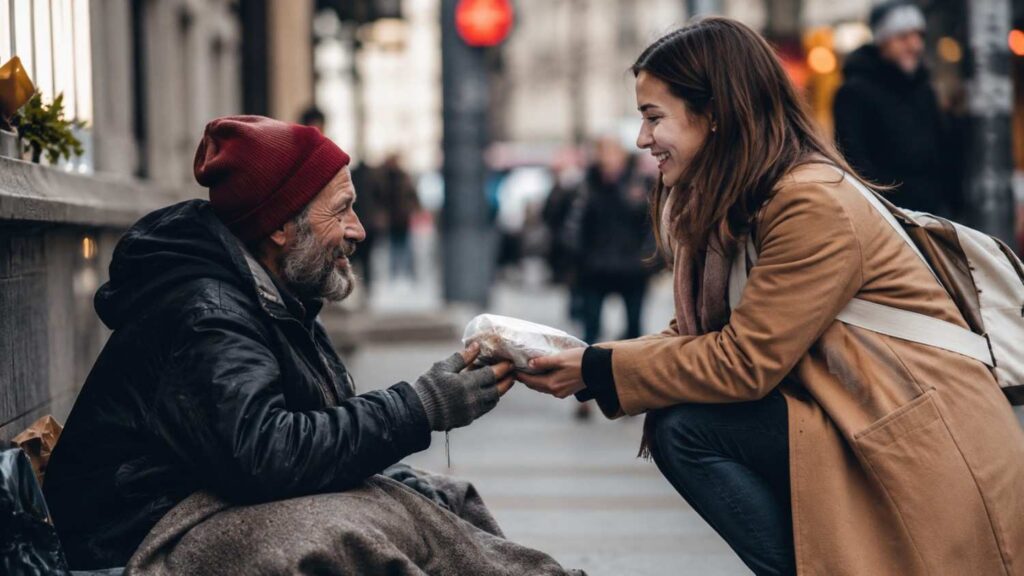
Quick Answer About Top Acts of Kindness That Will Restore Your Faith in Humanity
The top acts of kindness that will restore your faith in humanity are actions that meet a genuine human need without demanding attention, praise, or repayment. They include helping an injured stranger, giving blood, registering as an organ donor, delivering food to a struggling household, defending someone from bullying, listening without judgment, volunteering after a disaster, and paying for another person’s basic needs.
Kindness does not need to be expensive or dramatic to matter. A thoughtful message, a ride to a medical appointment, a meal for a tired neighbor, or a few minutes of patient attention can reduce someone’s stress and remind them that they are not alone. The most meaningful actions are usually respectful, practical, and suited to the receiver’s real situation.
These examples also show that kindness is not limited to charities or emergencies. It can appear in ordinary decisions at home, school, work, online, and throughout the wider community.
| User Question | Search Intent | Target Section |
|---|---|---|
| What are the top acts of kindness that restore faith in humanity? | Informational | Quick Answer |
| What are some powerful examples of kindness? | Informational | Top Everyday Acts of Kindness |
| What small acts of kindness can I do today? | Practical | How to Make Kindness a Daily Habit |
| Why do acts of kindness matter? | Educational | Why Powerful Acts of Kindness Affect Us |
| How can kindness improve a community? | Informational | Kindness During Disasters and Community Crises |
| What are life-saving acts of kindness? | Informational | Life-Saving Acts of Human Kindness |
| How can I make kindness a daily habit? | Practical | How to Make Kindness a Daily Habit |
| What are examples of kindness toward strangers? | Informational | Top Everyday Acts of Kindness |
Top Acts of Kindness That Will Restore Your Faith in Humanity
Negative stories often receive the most attention. News reports highlight conflict, social media rewards outrage, and dishonest or cruel behavior can spread quickly online. When people repeatedly see these stories, it becomes easy to believe that society is becoming colder and that individuals care less about one another.
Daily life, however, contains countless examples of human kindness that never become headlines. A neighbor takes groceries to an older resident who cannot drive. A stranger stays beside an injured person until medical help arrives. A teacher quietly buys school supplies for a child whose family is struggling. Volunteers leave the comfort of their homes to support people affected by fires, floods, storms, and displacement.
The top acts of kindness that will restore your faith in humanity show that compassion is not rare. It often happens quietly in homes, hospitals, schools, workplaces, public transport, streets, shelters, and online communities. These actions may be simple, but they can change how a person experiences a difficult moment.
Research has also examined the relationship between helping behavior and well-being. A large meta-analysis found a modest positive connection between prosocial behavior and personal well-being. The effect was not identical for every person or situation, which is an important detail. Kindness should not be presented as a guaranteed solution to emotional or mental health problems. However, supportive actions can strengthen relationships, create meaning, reduce isolation, and make communities feel safer and more connected.
Understanding why kindness affects us can help explain why certain stories stay in our minds and inspire us to act differently.
Why Powerful Acts of Kindness Affect Us
Powerful acts of kindness influence more than the person receiving immediate help. They can affect witnesses, strengthen relationships, shape community expectations, and change how people think about human nature. This is one reason heartwarming kindness stories are remembered and shared so widely. They offer visible evidence that compassion, courage, and generosity still exist even during difficult circumstances.
Kindness is also meaningful because it often appears when someone feels vulnerable. A person may be frightened, financially stressed, physically unwell, socially isolated, or unsure where to turn. When another individual responds with patience and practical support, that action can reduce the feeling of being abandoned.
The effect is not only emotional. Helpful behavior may solve a real problem, such as providing transport, food, safety, information, medical support, or protection. The strongest acts of kindness often combine emotional care with practical assistance.
To understand the wider influence of these actions, it helps to look at how kindness challenges negative beliefs and how witnessing good behavior can motivate others.
Kindness Challenges a Negative View of People
When someone expects selfishness but sees generosity instead, the experience can challenge their assumptions about other people. A stranger who returns lost money, stops to help after an accident, or protects someone from harassment demonstrates that individuals can choose compassion even when there is no obvious reward.
Psychologists often use the term prosocial behavior to describe voluntary actions intended to benefit another person or group. These actions include sharing, comforting, cooperating, donating, volunteering, protecting, and providing practical help. Prosocial behavior can occur between family members, friends, colleagues, neighbors, or complete strangers.
Research has found a positive association between prosocial actions and several areas of psychological functioning, including social connection, meaning, and personal satisfaction. However, the relationship is usually modest and varies according to the action, the person’s motivation, and the circumstances.
The deeper value of kindness is not that it guarantees personal happiness. Its value lies in the fact that it responds to another person’s need. When people repeatedly witness respectful and responsible behavior, they may become less cynical and more willing to trust, cooperate, and contribute to their communities.
Witnessing Goodness Can Encourage More Goodness
Seeing another person behave with courage or generosity can create an uplifting emotional response known as moral elevation. This feeling often appears when someone witnesses an unusually selfless or admirable action. It may involve warmth, admiration, hope, and a desire to become a better person.
Moral elevation differs from ordinary happiness because the focus is not simply on personal pleasure. Instead, attention is directed toward another person’s character and the values shown through their actions. A witness may think, “That was the right thing to do,” or, “I want to act like that when someone needs help.”
Research suggests that observing altruistic behavior can increase willingness to cooperate, donate, or support others. This does not mean every kindness story automatically changes behavior, but positive examples can make helpful actions seem more normal and achievable.
This is how one good deed can create a wider effect. The receiver remembers being supported, witnesses discuss what they saw, and some people repeat similar actions later. Kindness becomes socially powerful when it moves beyond one moment and influences the standards of a family, school, workplace, or community.
Top Everyday Acts of Kindness
The most meaningful examples of human kindness are not always dramatic. Many occur during ordinary routines and attract little public attention. Their importance comes from meeting an immediate need, reducing someone’s burden, protecting their dignity, or making a difficult day feel less lonely.
Everyday kindness is also accessible. It does not require special training, large donations, or a public platform. People can help by noticing what is happening around them and responding in a respectful way. This might involve carrying groceries, giving clear directions, sharing food, offering transport, checking on a neighbor, or listening when someone needs to talk.
The table below shows practical acts of kindness, why they matter, and how they can be carried out without making the receiver uncomfortable.
| Act of Kindness | Why It Matters | A Simple Way to Do It |
|---|---|---|
| Helping an older person | Reduces physical difficulty and isolation | Carry bags or offer safe transport |
| Paying for a basic item | Removes an immediate financial burden | Pay for a meal, medicine, or bus fare |
| Returning lost property | Protects someone from stress or loss | Contact the owner or hand it to responsible staff |
| Listening without judgment | Provides emotional support | Put away distractions and give full attention |
| Giving up a seat | Supports someone with greater physical need | Offer it politely without making assumptions |
| Sharing food | Meets a practical and immediate need | Take a meal to a neighbor or struggling family |
| Defending someone | Reduces humiliation, fear, and isolation | Interrupt bullying safely or report it |
| Leaving a kind message | Helps someone feel noticed and valued | Send a sincere note or voice message |
| Offering professional skills | Solves problems people cannot manage alone | Provide tutoring, repairs, translation, or advice |
| Paying it forward | Encourages another generous action | Cover a small purchase for someone else |
| Checking on a vulnerable neighbor | Builds safety and local connection | Call during illness or extreme weather |
| Volunteering locally | Provides dependable community support | Assist a food bank, shelter, school, or charity |
Helping Someone Without Being Asked
Some of the strongest acts of kindness happen when a person notices a need before receiving a direct request. Someone may hold an umbrella over a stranger in heavy rain, help a parent carry a stroller upstairs, guide a lost visitor, or stay with an injured person until emergency services arrive.
This type of awareness is valuable because many people find it difficult to ask for help. They may feel embarrassed, fear rejection, or believe their problem is not important enough. A thoughtful offer can remove that barrier and make assistance easier to accept.
However, helpful intentions should always be balanced with respect. Ask before touching someone, moving their belongings, lifting mobility equipment, or making decisions on their behalf. A simple question such as, “Would you like some help?” gives the person control.
Safety also matters. In emergencies, call trained services and avoid actions that could create further danger. In normal situations, be specific about what you can offer. Instead of saying, “Let me know if you need anything,” try, “I can bring dinner on Thursday,” or, “I can drive you to the appointment.” Clear offers are easier to understand and accept.
Noticing People Who Feel Invisible
Kindness often begins with paying attention to people whose work, effort, or presence is regularly overlooked. Delivery drivers, cleaners, security guards, caregivers, receptionists, warehouse workers, and customer-service employees are frequently noticed only when something goes wrong.
Learning a person’s name, thanking them directly, leaving a fair review, or acknowledging their effort can turn a routine interaction into a more respectful human exchange. These actions do not require money, but they communicate that the person’s contribution has been seen.
The same principle applies to socially isolated individuals. A new employee, an elderly neighbor, a student sitting alone, or a person attending an event without friends may not ask to be included. Starting a conversation, inviting them to join, or checking whether they need support can reduce feelings of exclusion.
The Random Acts of Kindness Foundation recommends practical gestures such as sending positive messages, giving sincere compliments, donating useful items, and offering support to community organizations. These ideas work best when they are personal rather than automatic. A specific comment such as, “You explained that clearly and helped the whole team,” has more meaning than a general compliment with no context.
Life-Saving Acts of Human Kindness
Some acts of kindness provide comfort, encouragement, or practical relief. Others directly support emergency treatment, surgery, recovery, and survival. Blood donation, organ donation, first-aid assistance, and responsible action during medical emergencies show how individuals can help people they may never personally know.
Life-saving kindness usually requires more preparation than an everyday gesture. Donors may need to meet health requirements, complete screening, understand possible risks, and follow official procedures. Volunteers who assist during emergencies may also require training and clear instructions.
These actions should never be romanticized or treated casually. Medical donation and emergency support involve real responsibilities. People should rely on authorized health services, transplant programs, recognized blood centers, and trained emergency professionals.
What makes these actions especially powerful is the absence of a personal relationship. A donor may never meet the patient who benefits. Even so, their decision can support treatment, give families hope, and allow medical teams to continue providing care.
Blood and organ donation are two of the clearest examples of human generosity operating through organized health systems.
Voluntary Blood Donation
Hospitals use donated blood and blood products for many forms of care, including emergency treatment, childbirth complications, surgery, cancer treatment, serious anemia, trauma care, and certain long-term health conditions. Because blood cannot always be stored indefinitely, health systems depend on a continuing supply of eligible donors.
The World Health Organization explains that voluntary and unpaid blood donors are central to maintaining a safer and more dependable blood supply. Regular donors can help health services respond not only to major emergencies but also to everyday medical needs that receive less public attention.
People who wish to donate should contact an approved blood service in their country or region. Eligibility rules may consider age, weight, current health, medical history, travel, medication use, and the period since a previous donation. These requirements exist to protect both the donor and the patient.
Potential donors should answer screening questions honestly and follow instructions relating to food, hydration, identification, rest, and post-donation care. Anyone who is not eligible can still support blood donation by encouraging suitable donors, sharing verified campaign information, helping at an official drive, or providing transport to someone who has an appointment.
Organ and Tissue Donation
Organ donation is one of the clearest examples of kindness continuing beyond a person’s lifetime. According to official United States government information, one deceased donor may save up to eight lives through organ donation and help additional people through eye and tissue donation.
Registration does not guarantee that donation will occur. Only a small proportion of deaths take place under the medical conditions required for deceased organ donation. However, registering can clearly communicate a person’s decision and may reduce uncertainty for family members.
Living donation is another possibility. Eligible individuals may be able to donate a kidney or part of a liver after extensive medical, psychological, and ethical assessment. The purpose of this process is to confirm suitability, explain risks, and ensure that consent is voluntary.
Anyone considering organ donation should seek information from an authorized government registry, transplant hospital, or recognized medical program. Social media posts and informal arrangements should never replace professional guidance.
Families may also benefit from discussing donation decisions in advance. Registration is important, but a clear conversation can help relatives understand the person’s wishes and the values behind them.
Kindness During Disasters and Community Crises
Disasters reveal human vulnerability, but they also reveal the strength of cooperation. During floods, fires, earthquakes, storms, conflict, and other emergencies, people frequently open buildings as shelters, prepare meals, move animals to safety, translate urgent information, check damaged homes, and comfort families who have lost property or loved ones.
Effective disaster kindness is not only emotional. It must also be organized, safe, and responsive to the needs identified by emergency services and local organizations. Untrained volunteers who enter dangerous areas can unintentionally place themselves and others at risk. For that reason, people should follow evacuation orders, avoid restricted locations, and work through recognized groups whenever possible.
Support is also needed at different stages. Immediate assistance may include shelter, clean water, food, medical care, transportation, and communication. Later needs may involve school supplies, temporary housing, document replacement, legal guidance, mental health support, employment, cleanup, and repairs.
Community resilience grows when residents know one another, communicate clearly, and plan before a crisis occurs. The following examples show how local support can make a meaningful difference both during and after an emergency.
Neighbors Helping Neighbors
Local residents are often among the first people to recognize who may need support during an emergency. They know which neighbor lives alone, who lacks transportation, which household has a baby, and who may rely on medication, mobility equipment, electricity, or regular care.
Simple preparations can make this support safer and more effective. Neighbors can exchange contact details, discuss evacuation arrangements, identify people who may need transport, and agree on a reliable method for sharing urgent information. These steps should respect privacy and avoid pressuring anyone to reveal medical details they do not wish to share.
The American Red Cross describes trained disaster volunteers assisting with shelters, meals, relief supplies, communication, and emotional comfort. Local training can allow residents to contribute responsibly without entering unsafe situations or committing to extended deployment.
During a crisis, people should check official warnings before traveling. They should not block emergency routes or attempt rescues beyond their ability. In many cases, the safest act of kindness is calling emergency services, sharing verified information, and helping from an approved location.
Prepared neighborhoods are often better able to respond calmly because residents already understand who may need assistance.
Offering Practical Help After Attention Fades
Public attention is usually strongest during the first hours or days of a disaster. News coverage, donation campaigns, and online discussions may then decrease even though affected households continue facing serious problems for weeks or months.
Long-term kindness can include replacing school materials, helping complete official forms, providing temporary transport, supporting safe cleanup, finding accommodation, offering child care, or helping families communicate with insurers and public services. Local businesses may also need support as communities attempt to recover economically.
Before collecting physical goods, ask a trusted local organization what is genuinely needed. Unrequested clothing, expired food, damaged items, and unsuitable supplies can create extra work involving transport, sorting, storage, and disposal.
Financial donations to verified organizations may offer greater flexibility, but donors should carefully check the organization’s name, registration, website, payment method, and official contact details. Fraud often increases during emergencies because people feel pressure to act quickly.
Support should also respect dignity. Avoid photographing affected individuals, sharing private information, or turning someone’s loss into promotional content. Responsible help focuses on the needs of the community rather than the visibility of the donor.
Kindness at Work, School, and Online
Kindness is not limited to charity, emergencies, or financial donations. It is also expressed through everyday decisions about inclusion, communication, fairness, responsibility, and respect. Schools, workplaces, and online communities can become more supportive when people understand that kindness involves both warmth and accountability.
In professional and educational settings, kindness may include explaining a task patiently, giving appropriate credit, sharing useful information, welcoming a new person, or supporting someone facing a personal difficulty. It may also require reporting bullying, harassment, discrimination, or unsafe behavior.
Online, kindness involves more than posting positive words. It includes protecting privacy, correcting misinformation responsibly, refusing to join public humiliation, and thinking carefully before sharing another person’s story.
Healthy kindness should not be confused with avoiding every disagreement. People can be respectful while setting boundaries, giving honest feedback, and challenging harmful behavior. In fact, silence can sometimes allow unfair treatment to continue.
The goal is not to create spaces where nobody is ever uncomfortable. The goal is to create environments where people are treated with dignity, concerns can be raised safely, and support is offered without humiliation.
Protecting and Including Other People
At school, kindness may mean inviting an isolated student to join a group, sharing notes with an absent classmate, helping a new student understand the routine, or reporting bullying to a responsible adult. These actions can reduce loneliness and help students feel that they belong.
At work, kindness may involve giving colleagues proper credit, explaining processes without impatience, respecting reasonable boundaries, or supporting someone during illness or a family emergency. Managers can contribute by setting clear expectations, listening to concerns, and addressing problems without publicly embarrassing employees.
Inclusion should be thoughtful rather than performative. Inviting someone once is helpful, but consistent behavior matters more. A person should not be treated as a temporary project or made to feel that they must express gratitude for basic respect.
Kindness also requires courage when someone is being mistreated. Direct intervention may not always be safe, but people can document what happened, contact a teacher or manager, report through official channels, or check privately on the person affected.
A useful test is simple: does the action protect dignity, reduce harm, and help the person participate more fully?
Making Online Spaces More Human
Online kindness includes answering questions patiently, sharing reliable information, acknowledging useful work, correcting errors respectfully, and refusing to participate in harassment or public humiliation. Digital communication can feel distant, but the people receiving comments and messages experience real emotional effects.
Before replying, consider whether the same words would be acceptable in a face-to-face conversation. Disagreement does not require insults, threats, mockery, or assumptions about someone’s character. Criticism is more useful when it addresses the idea, evidence, or behavior rather than attacking the individual.
Privacy is another important part of online kindness. Do not share private messages, medical information, financial hardship, photographs, or personal stories without permission. Even well-intended fundraising or awareness posts can expose someone’s identity and remove their control over sensitive information.
Online donation appeals also require careful checking. Verify the organizer, beneficiary, platform, and payment details before contributing or sharing the campaign.
A thoughtful comment may seem small, but specific encouragement can help people feel recognised. Kindness online is most valuable when it remains sincere, responsible, and respectful of boundaries.
How to Make Kindness a Daily Habit
Waiting for a dramatic opportunity can make kindness seem difficult or rare. A more effective approach is to build small, repeatable habits that fit your time, abilities, finances, and responsibilities. Consistency often creates more value than a single action performed only for attention.
Daily kindness begins with awareness. Pay attention to the people around you, notice practical difficulties, and think about what assistance would actually be useful. One person may need a meal, while another may need information, transportation, child care, or a patient listener.
Planning also helps. People often intend to volunteer, donate, or contact someone but forget because the action is not connected to a date or routine. Adding a monthly reminder, keeping useful donation items organized, or selecting one regular volunteer activity can turn good intentions into dependable behavior.
At the same time, kindness must remain realistic. Giving beyond your emotional, physical, or financial capacity can create resentment and exhaustion. Sustainable support respects both the receiver’s needs and the giver’s boundaries.
A simple seven-day plan can help people begin without feeling overwhelmed.
Follow a Seven-Day Kindness Plan
A seven-day kindness plan creates a clear starting point and allows people to practise several types of support. Each action should remain manageable and specific.
- Day one: Send a sincere message of appreciation to someone whose effort is often overlooked.
- Day two: Help another person complete a practical task that has become difficult or stressful.
- Day three: Donate an unused but clean and useful item through a trusted organization.
- Day four: Give someone your full attention and listen without interrupting or immediately offering advice.
- Day five: Support a local worker, independent business, or community service.
- Day six: Volunteer time or share a useful skill, such as tutoring, translation, repair work, or professional guidance.
- Day seven: Review the week and choose one action that can become a regular habit.
Research examining different kindness activities found an association between performing kind actions and increased subjective happiness. Variety and frequency may influence how people experience the activity.
The main goal, however, should remain the benefit provided to another person. Personal satisfaction is a welcome result, but it should not become the only reason for helping.
Help Without Ignoring Your Boundaries
Healthy kindness is voluntary, respectful, and realistic. It does not require giving away money needed for rent, food, medicine, or family responsibilities. It also does not require accepting unsafe behavior, responding to every request, or remaining available at all times.
People-pleasing often appears helpful from the outside, but it may be driven by fear of conflict, rejection, or disapproval. Genuine kindness allows a person to say no clearly while still treating others with respect.
Boundaries can also improve the quality of support. Instead of making an open-ended promise, state exactly what you can do. You might say, “I can help for two hours on Saturday,” or, “I cannot lend money, but I can help you find local services.”
Research on generosity and well-being is positive overall, but the emotional results are not identical in every situation. Helping may feel less rewarding when it creates serious personal cost, pressure, or regret.
Choose actions you can maintain. One reliable hour of monthly volunteering may provide more value than an ambitious promise that ends after a few days. Sustainable kindness protects trust and reduces disappointment.
Frequently Asked Questions
People often understand kindness as a simple idea, but practical questions appear when they try to apply it in daily life. They may wonder which actions have the greatest effect, whether small gestures really matter, how to help strangers safely, or where to draw personal boundaries.
The top acts of kindness that will restore your faith in humanity are usually effective because they respond to real needs and respect the receiver’s dignity. They are not defined only by size, cost, or public attention. A life-saving donation can be extremely powerful, but so can a quiet conversation that prevents someone from feeling completely alone.
The following answers address common search questions and clarify how kindness can be practised responsibly. They also show why intention alone is not enough. Helpful behavior should consider safety, consent, privacy, timing, and the actual needs of the person receiving support.
Understanding these points can help individuals avoid performative gestures and focus on actions that provide meaningful value.
What are the most powerful examples of kindness?
Powerful examples of kindness include saving someone from immediate danger, giving blood, becoming an organ donor, housing a displaced family, protecting a person from abuse, feeding someone who is hungry, and remaining beside an individual during illness or grief.
Their power does not come only from their size. It comes from meeting an urgent need and reducing another person’s fear, pain, or isolation. A smaller action may also be powerful when it happens at the right moment. Paying for medicine, helping someone complete an important form, or providing transport to a medical appointment can change the outcome of a difficult situation.
The strongest acts are usually carried out without demanding praise, control, or repayment. They respect the receiver’s privacy and allow that person to make their own decisions.
Kindness becomes especially meaningful when it involves sacrifice, courage, reliability, or long-term commitment. A single gesture may help immediately, but consistent support can help someone rebuild confidence, safety, and independence.
What are some acts of kindness for strangers?
Acts of kindness for strangers include returning lost property, offering clear directions, paying for a basic item, giving up a seat, helping carry something heavy, calling emergency services, or waiting with someone whose vehicle has broken down.
People can also provide practical help by holding a door, allowing someone to move ahead in a queue during an urgent situation, helping a traveler understand local transport, or alerting staff when another person appears unwell.
Safety and consent should always guide the interaction. Ask before touching someone, moving their possessions, or offering physical assistance. Avoid placing yourself in danger, particularly near traffic, fire, violence, or unstable structures. Contact trained professionals when the situation requires medical, legal, or emergency support.
Kindness toward strangers should not involve pressure. Offer help clearly and accept the answer. If the person declines, respect their decision unless there is an immediate and serious safety risk.
A brief, respectful action may be enough to make someone feel supported in an unfamiliar or stressful moment.
Can small acts of kindness make a difference?
Yes, small acts of kindness can make a meaningful difference because they often address immediate problems that would otherwise remain unnoticed. A meal, message, lift to an appointment, or patient conversation may not solve every difficulty, but it can reduce stress and make the next step feel more manageable.
Small actions can also strengthen relationships. Remembering a detail, checking on someone after a difficult event, or acknowledging another person’s effort communicates attention and care. These gestures are particularly valuable for people who feel isolated or overlooked.
Their influence can extend beyond the original moment. The receiver may become more willing to seek help, offer support to someone else, or view their community more positively. Witnesses may also be encouraged to act.
However, the size of an action should not be confused with its quality. An unwanted or poorly timed gesture may create discomfort. Effective kindness is based on listening, respect, and relevance.
The best question is not, “Is this action impressive?” but, “Will this genuinely help the person?”
Why does helping others feel good?
Helping others may create positive emotions because it can strengthen social connection, provide a sense of meaning, and show that a person’s actions have value. Cooperation and support are important parts of human relationships, so helpful behavior can increase feelings of belonging and purpose.
Research generally finds a modest positive association between prosocial behavior and well-being. The effect varies according to motivation, circumstances, relationship, and type of help. Voluntary support may feel different from assistance provided under pressure or at a serious personal cost.
Helping should therefore not be treated only as a personal mood-improvement method. The receiver’s needs remain central. An action may still be valuable even when it does not make the helper feel immediately happier.
It is also important not to present kindness as a treatment for depression, anxiety, trauma, or other health conditions. Professional support may still be needed.
The positive feeling connected with kindness is best understood as a possible benefit of meaningful human connection rather than a guaranteed emotional reward.
What is the difference between kindness and people-pleasing?
Kindness is a voluntary action based on care, respect, and a realistic understanding of another person’s needs. People-pleasing is often driven by fear of rejection, criticism, disappointment, or conflict.
A kind person can still say no. They can set financial limits, protect their time, question unfair behavior, and refuse requests that feel unsafe or unreasonable. Their support is given freely rather than through pressure.
People-pleasing may create resentment because the person repeatedly agrees to things they do not want or cannot manage. It can also encourage unhealthy expectations when others begin to assume that support will always be available.
Healthy kindness communicates boundaries clearly. Someone might say, “I cannot complete the whole task, but I can help you begin,” or, “I am not able to lend money, but I can help you look for assistance.”
The difference is not always visible from the outside. Two people may perform the same action for different reasons. The important questions are whether the choice is voluntary, safe, respectful, and sustainable.
How can children learn kindness?
Children learn kindness through observation, practice, guidance, and discussion. Adults should model respectful behavior rather than relying only on instructions. When children see parents, teachers, and caregivers listening patiently, apologizing, sharing responsibility, and helping others, they receive practical examples to follow.
Adults can explain how words and actions affect other people. Instead of simply saying, “Be nice,” they can ask questions such as, “How do you think that person felt?” or, “What could we do to help?”
Age-appropriate activities may include writing thank-you notes, sharing supplies, including classmates, helping relatives, caring for animals, donating suitable books, or participating in community projects.
Praise should focus on the action and its effect rather than labeling the child as permanently “good.” For example, say, “You noticed your classmate needed help and included them.”
Children should also learn boundaries. Kindness does not mean obeying strangers, keeping unsafe secrets, or tolerating bullying. Responsible teaching connects compassion with safety, consent, honesty, and respect.
Should acts of kindness be shared on social media?
Sharing an act of kindness can inspire other people, raise awareness, or attract support for a genuine need. However, the dignity and privacy of the person receiving help should always come first.
Ask permission before posting names, images, medical information, financial hardship, emotional reactions, or personal stories. Consent should be freely given, and the person should understand where the content will appear.
People in vulnerable situations may feel unable to refuse because they need assistance. For this reason, donors and volunteers should avoid making publicity a condition of support.
It is also worth examining the purpose of the post. Content that explains how others can help, provides verified resources, or promotes responsible volunteering may have public value. Content designed mainly to display the giver may feel exploitative.
A respectful option is to discuss the action without identifying the receiver. Share the lesson, organization, or practical method instead of exposing someone’s hardship.
Kindness should never turn another person’s difficult moment into entertainment or personal promotion.
| Topic | Key Focus | Related Keywords |
|---|---|---|
| Everyday Kindness | Small helpful actions in daily life | Small acts of kindness, random acts of kindness |
| Community Support | Helping people during difficult times | Community kindness, helping others |
| Blood and Organ Donation | Life-saving generosity | Blood donation, organ donation |
| Disaster Volunteering | Emergency and recovery support | Volunteer work, community resilience |
| Kindness at Work and School | Respectful and supportive behavior | Kindness at work, kindness at school |
| Online Kindness | Positive digital interactions | Human connection, compassion |
| Building Daily Kindness Habits | Consistent acts of generosity | Paying it forward, kindness habits |
| Human Kindness Impact | Emotional and social benefits | Faith in humanity, prosocial behavior |
Conclusion
The top acts of kindness that will restore your faith in humanity range from quiet daily gestures to decisions that directly support medical care and save lives. They include listening with patience, sharing food, helping strangers, volunteering after disasters, supporting isolated people, donating blood, registering as an organ donor, and standing up for someone who is being treated unfairly.
These actions are connected by a common principle: they respond to a genuine need while respecting the other person’s dignity. The size of the gesture matters less than its relevance, timing, and sincerity.
Kindness can also shape the wider social environment. When people witness support, honesty, and courage, they receive evidence that helpful behavior is possible. Some may become more willing to cooperate, volunteer, donate, or pay that support forward.
However, kindness should remain realistic and responsible. It should not ignore safety, privacy, consent, or personal boundaries. Sustainable kindness allows people to contribute without making promises they cannot maintain.
The final step is not simply admiring good deeds. It is choosing one useful action and completing it.
What We Should Remember
Kindness does not need to be expensive, public, or dramatic. It becomes meaningful when it responds to a real need and allows the receiver to maintain control, privacy, and dignity.
A good deed may not repair every social problem, but it can improve one moment, one relationship, or one community. A meal can reduce immediate stress. A message can help someone feel remembered. A donation can support medical care. A volunteer can help an organization reach more people.
Responsible kindness also requires thought. Ask what is needed rather than assuming. Use verified services when donating money or medical resources. Follow safety instructions during emergencies, and seek consent before sharing someone’s story.
People sometimes delay helping because they believe their contribution is too small. In reality, many community systems depend on repeated small actions from ordinary individuals.
The top acts of kindness that will restore your faith in humanity show that people do not need extraordinary wealth or influence to make a difference. They need awareness, respect, and the willingness to act when a useful opportunity appears.
Choose One Action Today
Choose one realistic act of kindness that you can complete today. Send a sincere message to someone whose effort has helped you. Check on an elderly or isolated neighbor. Donate a useful item. Offer transport, prepare a meal, or help another person complete a difficult task.
Make the action specific. Instead of saying, “Contact me if you need anything,” offer something clear: “I can bring groceries on Friday,” or, “I can review that form with you this evening.”
For a longer commitment, identify one trusted organization and ask what support it needs. This may involve volunteering, fundraising, translating, tutoring, preparing supplies, or sharing professional skills.
Do not wait until you have more money, more free time, or a larger audience. Kindness becomes part of daily life when it is practical and repeatable.
After completing the action, consider whether it should become a weekly or monthly habit. One dependable contribution can build trust and provide more value than occasional promises.